Android remains the most widely used mobile operating system on the planet, powering billions of smartphones and tablets across every price range and manufacturer. Whether you just bought a new Samsung, Google Pixel, OnePlus, or budget device, one of the very first things you’ll want to do is learn how to download apps for Android safely and efficiently.
While the process seems simple on the surface, there are actually several methods, settings, and security considerations that most guides skip over. This article walks through every practical way to install apps on Android, how to protect your device while doing so, and how to make smart choices about the software you allow onto your phone.
Throughout this guide, we’ll also touch on adjacent topics that every Android user should understand, including mobile antivirus software, VPN apps for secure browsing, cloud storage backup solutions, password manager apps, and identity theft protection tools, since app downloading and digital security go hand in hand. If you manage a business, we’ll also cover business software and productivity apps worth considering for your fleet of company devices.
Understanding the Android App Ecosystem
Before diving into the “how,” it helps to understand the “where.” Android apps can come from several sources, and knowing the differences will help you decide which method suits your needs.
The primary and safest source is the Google Play Store, which is pre-installed on virtually every Android device sold outside of certain restricted markets. The Play Store hosts millions of applications, ranging from games and productivity tools to enterprise software, cloud storage clients, and mobile security suites. Because Google scans apps for malware using its Play Protect system, this remains the recommended starting point for almost everyone.
Beyond the Play Store, Android’s open nature allows for alternative app stores such as the Amazon App Store, Samsung Galaxy Store, F-Droid, and Aptoide. These marketplaces can offer apps unavailable in your region, older versions of software, or open-source alternatives.
Finally, there’s the option of sideloading, which means manually installing an APK (Android Package Kit) file downloaded directly from a developer’s website or a third-party repository. Each of these paths has trade-offs in convenience, safety, and app availability, and we’ll walk through all three in detail.
Method 1: Downloading Apps from the Google Play Store
For the overwhelming majority of users, the Google Play Store is the best and safest way to download apps. Here’s the step-by-step process.
First, locate the Play Store icon on your home screen or app drawer. It’s a colorful triangular play button, usually pre-installed and impossible to miss. Tap to open it. If this is your first time using the device, you may be prompted to sign in with a Google account. This account is essential, as it links your purchases, app library, and preferences across devices.
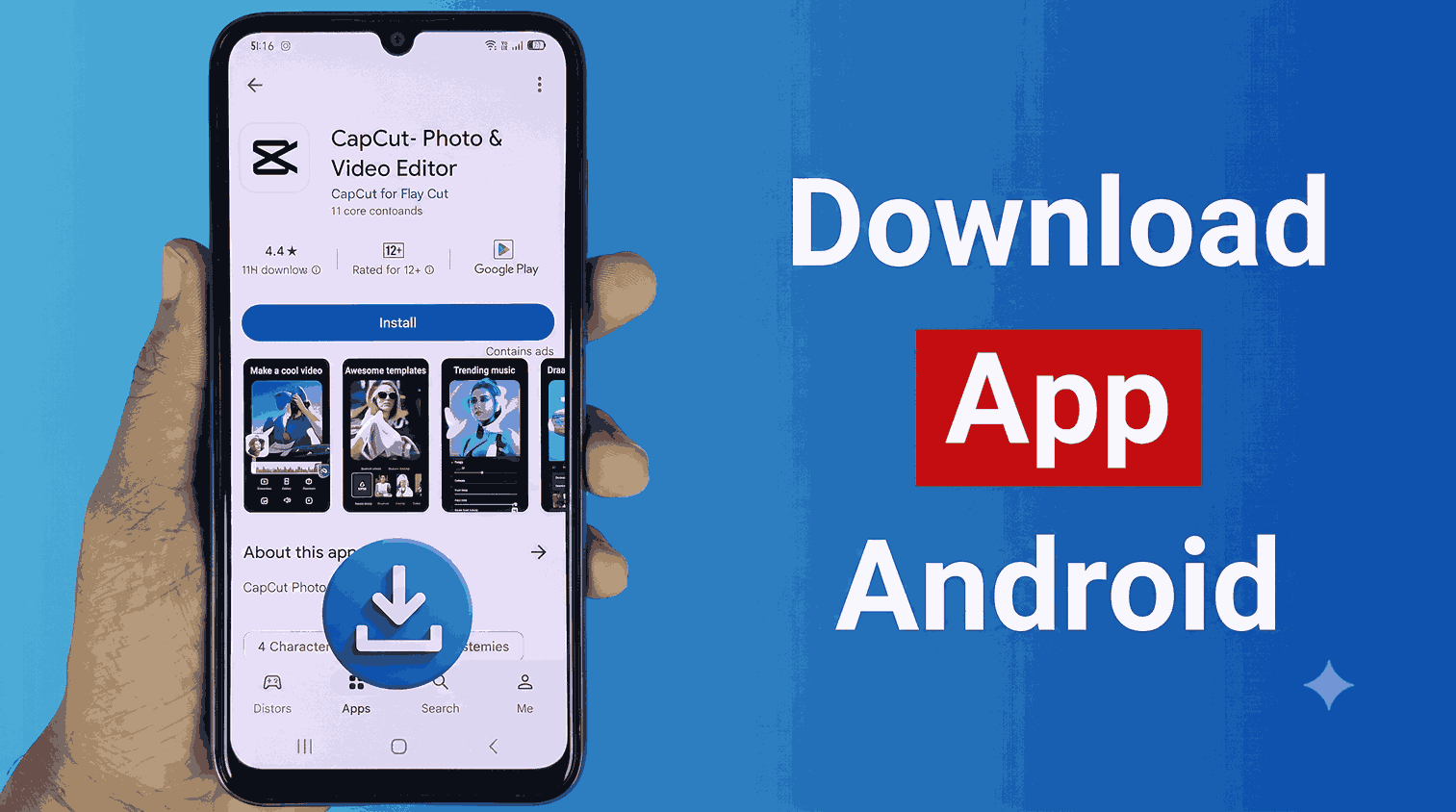
Once inside the Play Store, use the search bar at the top to type the name of the app you want. As you type, suggestions will appear. Tap the correct result from the list. On the app’s detail page, you’ll see a green “Install” button. Tap it, and the app will begin downloading and installing automatically. Depending on your Wi-Fi or mobile data speed, this can take anywhere from a few seconds to a couple of minutes for larger apps, such as games or video editing software.
After installation completes, the button changes to “Open,” and the app icon appears in your app drawer and, in many cases, automatically on your home screen. You can now launch the app directly.
If you’re downloading a paid app, you’ll be asked to confirm the purchase using a saved payment method, gift card balance, or Google Play credit. It’s worth noting that many premium apps, especially those related to antivirus protection, VPN services, and cloud backup, offer free trials before requiring a subscription, so read the app details carefully before committing to a purchase.
Managing Play Store Settings for Smoother Downloads
A few settings can make your Play Store experience faster and more secure. Under Settings in the Play Store app (tap your profile icon in the top right, then “Settings”), you can control whether apps auto-update over Wi-Fi only or over mobile data as well. This matters if you’re on a limited data plan, since large games or business software suites can easily consume hundreds of megabytes.
You can also enable or disable “Play Protect,” Google’s built-in malware scanner, though it’s strongly recommended to leave this active at all times. Play Protect continuously scans installed apps and flags any that behave suspiciously, which is a critical layer of defense against malicious software, spyware, and apps that attempt to harvest personal data or steal banking credentials.
Method 2: Downloading Apps from Alternative App Stores
Sometimes the Play Store doesn’t have what you need. Perhaps you’re using a device without Google services, like certain Huawei models, or you want an app that’s been removed from the Play Store for policy reasons but is otherwise legitimate. In these cases, alternative app stores come into play.
The Amazon App Store is a popular option, especially for users of Amazon Fire tablets. To use it, download the Amazon Appstore APK from Amazon’s official website, install it following the sideloading steps described in the next section, sign in with your Amazon account, and browse its catalog just as you would the Play Store.
The Samsung Galaxy Store comes pre-installed on Samsung devices and offers Samsung-exclusive apps, themes, and early access to certain games. It functions almost identically to the Play Store, with its own search and install flow.
F-Droid is worth mentioning for privacy-conscious users, as it exclusively hosts free and open-source software (FOSS), meaning every app’s source code is publicly auditable. This is particularly appealing to anyone concerned about data privacy or looking for alternatives to apps that collect excessive personal information.
Whichever alternative store you choose, always download the store’s installer application directly from the official company website rather than from an unfamiliar third-party link, as fake app store installers are a common vector for malware distribution.
Method 3: Sideloading APK Files
Sideloading refers to manually installing an APK file rather than going through an app store. This method offers maximum flexibility but requires extra caution, since you’re bypassing the automatic security screening that stores like the Play Store provide.
To sideload an app, you first need to enable installation from unknown sources. On most modern Android versions (Android 8.0 and above), this permission is granted on a per-app basis rather than through a single global toggle. Here’s how it works: attempt to open the APK file you’ve downloaded, usually from your device’s Downloads folder or a file manager app.
Android will prompt you with a message saying installation is blocked, along with a “Settings” button. Tap it, and you’ll be taken to a screen where you can toggle “Allow from this source” for the specific app (such as your browser or file manager) that’s handling the installation.
Once enabled, return to the APK file and tap it again. You’ll see an installation prompt showing the app’s requested permissions. Review these carefully. If an app claims to be a simple flashlight tool but requests access to your contacts, camera, and location, that’s a red flag suggesting the app may be malicious or engaging in unnecessary data collection. Assuming everything looks reasonable, tap “Install,” and the app will be added to your device just like one from the Play Store.
Where to Find Safe APK Files
The safest APK sources are the official websites of the software developers themselves. Many legitimate companies, including some VPN providers, antivirus software makers, and productivity tool developers, offer direct APK downloads for users in regions where the Play Store version isn’t available, or for beta-testing purposes.
Third-party APK repositories like APKMirror and APKPure have built reputations for verifying that hosted files match the original developer’s signature, making them relatively trustworthy compared to random file-sharing sites. Even so, it’s wise to cross-reference the app’s package name and developer name with the official Play Store listing before installing, and to run a scan afterward using a reputable mobile antivirus app.
Security Considerations When Downloading Android Apps
Because Android’s openness is both its greatest strength and its biggest risk, security deserves its own dedicated section. Malicious actors regularly disguise malware as popular apps, games, or utilities, so being proactive about protection is essential.
Installing Mobile Antivirus Software
A dedicated antivirus software solution for Android can scan every new app you install, monitor background processes, and alert you to phishing links in your browser or messaging apps. Leading options offer real-time protection, Wi-Fi network scanning to detect unsecured hotspots, and anti-theft features like remote wipe and device tracking.
If you frequently sideload apps or use alternative app stores, investing in a premium antivirus subscription is one of the smartest moves you can make, as the cost is minor compared to the potential damage from identity theft or financial fraud resulting from a compromised device.
Using a VPN App While Downloading and Browsing
A VPN app (Virtual Private Network) encrypts your internet traffic and masks your IP address, which is particularly valuable when downloading apps over public Wi-Fi at a coffee shop, airport, or hotel. Without a VPN, attackers on the same network could potentially intercept data during a download or inject malicious content into an unsecured connection.
Many top-rated VPN services offer dedicated Android apps with one-tap connection, kill switches that block internet access if the VPN drops, and server locations around the world, making them useful not just for security but also for accessing region-locked apps and content.
Password Managers and Two-Factor Authentication Apps
Once you start downloading apps that require account creation, a password manager app becomes invaluable. These tools generate strong, unique passwords for every service and autofill them securely, reducing the risk of credential-stuffing attacks where hackers use leaked passwords from one breach to access unrelated accounts.
Pairing a password manager with a two-factor authentication app adds another critical layer of protection, ensuring that even if a password is compromised, an attacker still can’t access your accounts without a secondary verification code.
Identity Theft Protection Services
For users who download a wide variety of apps, including financial, shopping, and social apps, subscribing to an identity theft protection service can provide peace of mind. These services monitor your personal information across the dark web, alert you to suspicious credit inquiries, and in many cases offer insurance-backed reimbursement if your identity is stolen.
While this isn’t directly related to app downloading, the reality is that every app you install is a potential data collection point, so broader digital protection is a sensible complement to safe downloading habits.
Troubleshooting Common App Download Issues
Even with a solid understanding of the download process, users regularly run into hiccups. Here are the most common issues and their solutions.
“App not installed” error: This typically occurs when there’s insufficient storage space, a corrupted APK file, or a conflicting app already installed with the same package name but a different signing certificate. Try clearing storage space, re-downloading the file, or uninstalling the conflicting version first.
Download stuck or stalled: This is often caused by an unstable internet connection or a temporary Play Store cache issue. Navigate to Settings > Apps > Google Play Store > Storage, and tap “Clear Cache.” Restart the download afterward.
“Your device isn’t compatible with this version”: Some apps require a minimum Android OS version or specific hardware features like NFC or a particular screen resolution. Check the app’s Play Store listing for minimum requirements, and consider updating your device’s software if an update is available.
Insufficient storage errors: Modern apps, especially games and video editing software, can require several gigabytes of space. Regularly clean up unused apps, clear cached data, and consider using a cloud storage app to offload photos and videos, freeing up local space for new downloads.
Play Protect blocking a legitimate app: Occasionally, Play Protect flags a legitimate app due to overly broad detection heuristics. If you’re confident the app is safe (for example, it’s from a well-known, verified developer), you can review the specific warning and choose to proceed, though this should only be done when you’re highly confident in the app’s legitimacy.
Best Practices for Downloading Apps Safely
To wrap up the practical guidance, here is a checklist of best practices worth following every time you download a new app on Android.
Always check the developer name listed on the app page and compare it to the official company website. Scammers frequently create lookalike apps with names nearly identical to popular services, hoping users won’t notice the difference. Read recent reviews, not just the overall star rating, since fake five-star reviews are common but recent complaints about crashes, ads, or suspicious behavior tend to surface quickly in the comments section.
Review requested permissions before and after installation. Android allows you to revoke permissions at any time through Settings > Apps > [App Name] > Permissions, so if an app later requests access to something unnecessary for its function, you can deny it without uninstalling the app entirely.
Keep your device’s operating system updated, since security patches often address vulnerabilities that malicious apps could otherwise exploit. Similarly, keep the Play Store app itself updated, as Google frequently improves its malware detection algorithms.
Back up your data regularly using a cloud storage app or your device manufacturer’s backup service. This ensures that if you ever need to factory reset your device due to a malware infection, you won’t lose your photos, documents, or app data.
Finally, consider using a business software management platform if you’re responsible for multiple company-owned Android devices. Mobile Device Management (MDM) solutions allow IT administrators to remotely push approved apps, restrict installation from unknown sources, and enforce consistent security policies across an entire organization’s device fleet.
Downloading Apps on Different Android Devices
While the fundamental process remains consistent, some manufacturers add their own layers on top of stock Android, so it’s worth covering device-specific nuances.
Samsung Galaxy Devices
Samsung devices ship with both the Google Play Store and the Galaxy Store pre-installed. Samsung users can also take advantage of “Galaxy Store curations,” which highlight apps optimized specifically for Samsung’s One UI interface and larger-screen foldable devices. If you own a Galaxy Z Fold or Flip device, some apps offer enhanced multi-window layouts that only appear when downloaded through the Galaxy Store rather than the standard Play Store listing.
Google Pixel Devices
Pixel phones run the closest thing to “stock” Android, meaning the app download experience mirrors what’s described in this guide almost exactly. Pixel devices also benefit from being first in line for new Play Store features and security updates, since Google prioritizes its own hardware for early rollouts.
Budget and Regional Android Devices
Many budget devices, particularly in markets like India, Southeast Asia, and parts of Africa, come with additional pre-installed app stores from the device manufacturer (such as Xiaomi’s GetApps or Oppo’s App Market). These can be convenient for discovering region-specific apps, but it’s worth double-checking that any sensitive app, like banking or financial software, is downloaded through the official Play Store listing to avoid modified or repackaged versions that may contain hidden malware.
Devices Without Google Play Services
Certain devices, notably newer Huawei phones sold outside of Google’s licensing agreements, don’t include the Play Store at all. These devices rely on manufacturer-specific app galleries or require sideloading APKs directly. If you own such a device, prioritize downloading a reliable APK installer manager and a mobile antivirus solution immediately, since you’ll be relying more heavily on sideloading than the average Android user.
Optimizing Storage and Performance Before and After Downloading Apps
One aspect of app downloading that many guides overlook is how storage management directly affects download speed, installation success, and long-term device performance. Modern Android apps have grown substantially in size over the past several years, with many games now exceeding 2GB and productivity suites, video editors, and business software often requiring 500MB or more just for the base installation, before accounting for additional data downloaded on first launch.
Before downloading a large app, it’s worth checking your available storage under Settings > Storage. If you’re running low, Android provides a built-in storage manager that identifies large files, unused apps, and duplicate downloads that can be safely removed.
Photos and videos are frequently the biggest culprits, so offloading them to a cloud storage app such as Google Photos, Dropbox, or a dedicated backup software solution can free up several gigabytes almost instantly. Many cloud storage providers offer a decent amount of free storage, with paid tiers unlocking additional space, automatic backup scheduling, and family sharing plans, making them a worthwhile investment for anyone who frequently installs and uninstalls large apps.
Performance also matters once the app is installed. Some apps run background services that consume battery and memory even when not actively in use. After downloading a new app, it’s good practice to check Settings > Apps > Battery Usage periodically to identify any app consuming disproportionate resources.
If you notice a newly installed app draining your battery unusually fast or running constant background data usage, this can sometimes indicate either poor app optimization or, in rarer cases, hidden malicious activity such as cryptocurrency mining scripts embedded in a compromised app.
Additionally, consider the difference between “App size” and “Data size” shown in your app settings. The app size represents the installed package itself, while data size includes cached files, saved documents, downloaded content within the app, and user-generated data. For apps like streaming services, cloud storage clients, and note-taking software, data size can eventually exceed the original app size many times over, so periodic review and cleanup of app data help maintain both storage headroom and device speed.
Understanding App Permissions in Greater Depth
App permissions deserve deeper coverage because they represent the single most important safety mechanism available to everyday users, more actionable than any antivirus software or VPN app. After all, permissions control what a piece of software can actually do on your device before any malicious behavior even occurs.
Android organizes permissions into categories including location, camera, microphone, contacts, phone, SMS, storage, calendar, body sensors, and physical activity, among others. Since Android 10, most of these permissions can be granted on a limited basis, such as “Allow only while using the app,” rather than a blanket “Allow all the time,” which is a meaningful privacy improvement introduced specifically to curb apps that track users in the background unnecessarily.
When you download a new app, pay close attention to the very first permission prompts that appear during initial setup. A weather app reasonably needs location access to provide local forecasts, but it has no legitimate reason to request access to your contacts or SMS messages.
Similarly, a photo editing app needs storage and possibly camera access, but microphone or call log access should raise questions. If a permission request seems mismatched with the app’s stated purpose, the safest move is to deny it and see if the app still functions; many apps will request permissions upfront that are only used for optional features you may never touch.
You can review and adjust every permission at any time, even long after installation, by navigating to Settings > Privacy > Permission Manager. This screen organizes permissions by category rather than by app, letting you see, for instance, every single app on your device that currently has access to your location and revoke that access with a single tap for any app you no longer trust or use frequently.
This granular control is one of Android’s genuine strengths compared to more locked-down mobile ecosystems, and taking five minutes every few months to audit your permissions is one of the highest-value security habits any Android user can adopt.
Enterprise and Business App Deployment on Android
For business owners, IT administrators, and team leads managing multiple Android devices, the app download process looks considerably different from the individual consumer experience described earlier in this guide and deserves its own dedicated discussion.
Organizations managing fleets of company-owned or employee-owned Android devices typically rely on Mobile Device Management (MDM) or Enterprise Mobility Management (EMM) business software platforms. These systems allow administrators to create a curated list of approved applications, push installations remotely without requiring the end user to manually visit the Play Store, and enforce restrictions such as blocking installations from unknown sources entirely on managed devices.
This centralized approach dramatically reduces the security risk surface across an organization, since employees are prevented from installing unauthorized or unvetted software that could introduce malware into the company network.
Google offers “Managed Google Play,” a business-oriented layer built on top of the standard consumer Play Store, allowing organizations to privately publish internal apps that aren’t available to the general public, distribute paid apps in bulk without requiring individual purchases, and set app configuration policies that automatically apply security settings, VPN configurations, or login credentials the moment an app is installed on a managed device.
For companies without dedicated IT departments, several third-party MDM software providers offer simplified small-business-friendly plans that still deliver core functionality: remote app deployment, device tracking, remote wipe capability in case of loss or theft, and usage reporting.
Given the rising cost of data breaches and the regulatory penalties associated with mishandled customer data, particularly in industries dealing with financial or healthcare information, investing in proper business software for device management is increasingly considered a baseline necessity rather than an optional luxury for companies of any size.
The Role of App Reviews and Ratings in Making Download Decisions
Before tapping that install button, most experienced Android users develop a habit of scrutinizing app reviews, and this habit is worth formalizing into a repeatable process. Star ratings alone are notoriously unreliable, since they can be inflated through incentivized reviews, bot-generated feedback, or a large volume of early positive reviews that don’t reflect a later decline in app quality following an update.
A more reliable approach involves sorting reviews by “Most Recent” rather than relying on the default sort order, which often prioritizes older, more numerous reviews. Recent reviews reveal whether a currently available version of the app is functioning as expected, free of newly introduced bugs, and not displaying an unusual volume of intrusive advertisements.
Pay particular attention to any recurring complaints about excessive permission requests, unexpected subscription charges, or difficulty canceling a free trial, since these patterns often indicate a developer prioritizing aggressive monetization over user experience.
It’s also worth checking the “Developer contact” section on the Play Store listing. Legitimate developers, especially those behind well-regarded antivirus software, VPN services, and productivity suites, typically provide a working support email, a privacy policy link, and sometimes a physical business address. The absence of these details, combined with a generic or recently created developer account, can be a subtle warning sign worth factoring into your decision.